
Integrating Dental, Primary Care, and Pharmacy at the Gary Burnstein Community Health Clinic
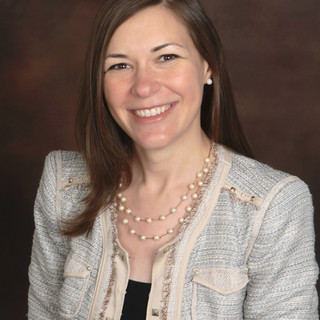
How can a clinic streamline patient care across service areas without adding burden for staff and providers? Many clinics want to reduce silos among their dental, primary care, and pharmacy programs. Differences in patient eligibility criteria, EHRs, scheduling, workflows, and staffing can create barriers, even among programs that are co-located. The Gary Burnstein Community Health Clinic in Michigan has spent the past few years working on that question, and its approach offers a practical model for other Free and Charitable Clinics.

The Gary Burnstein clinic has operated for more than twenty years and began its focused integration efforts in 2023. It offers primary care, dental, pharmacy, and optometry services to residents of all 83 Michigan counties.
Connect patients across primary care and dental
The clinic builds cross-referrals into the patient visit. During primary care rooming, staff ask whether the patient has a dental home and when they last saw a dentist. In dental, staff ask about the patient's primary care. When a patient needs a different service, the clinic makes an internal referral.
When schedules allow, patients may be seen that day. Staff do more than point patients to another department. They contact the other team, arrange the appointment, and escort the patient to the dental operatory or primary care clinic. If an appointment is not available, the patient is scheduled for a later visit.
Coordination also happens during care. If a dental patient has high blood pressure or needs help with diabetes medication, dental staff contact a nurse or physician. The patient may be assessed in the dental operatory and, when appropriate, connected to primary care services.
This handoff reduces the burden on patients as they navigate care. It also gives providers and staff a clear, repeatable process for acting on what they learn during an appointment. "Healthcare is complicated enough, and our job is to remove barriers and increase access," said Mary Lewis, CEO.

Use one eligibility process for every service
The clinic applies the same eligibility criteria to all of its services. There are no separate criteria for dental, primary care, pharmacy, or optometry. Patients must be Michigan residents and uninsured or underinsured, and once a patient qualifies for one service, they are qualified for all of them.
In practice, a patient already being seen for dental does not need to requalify to see a primary care provider, receive pharmacy benefits, or get optometry care. A dental provider can send a first-time primary care patient directly to a provider without repeating the eligibility process.
The clinic has also simplified how it determines eligibility. Recognizing the documentation burden patients previously faced, it no longer asks them to bring extensive financial documentation. Staff use eligibility software to check insurance status and collect information for tracking. Lewis observed that the simpler process reduced the staff time spent collecting information and following up with patients, and it shortened the time between registration and a patient's first appointment.
Build relationships between departments
A workflow works better when the people using it know and trust one another. The clinic found that its primary care and dental departments had been relatively siloed, so it began holding informal provider "mixers," gatherings with light snacks where primary care and dental volunteers can meet and discuss working together. Lewis noted that providers attended in good numbers and that the gatherings generated productive conversations.
Creating opportunities for providers to discuss how they can coordinate builds buy-in and trust across service areas. It also allows providers to develop solutions that fit their existing workflows.
Make systems support the handoff
The clinic uses Athena for primary care records, Dentrix for dental records, and SRS pharmacy management software for pharmacy. SRS communicates with Athena, so pharmacy and primary care records can exchange information. Dentrix does not communicate with Athena or SRS. To close that gap, the clinic enters dental patients into Athena as well as Dentrix. A patient referred from dental to primary care therefore already has a record, which reduces the need to start intake from scratch.
Dental medications require a separate workaround. Each month, the dental director or one of the dentists completes a form and submits it to the pharmacy for antibiotic and Tylenol packets. The packets are kept in a locked drawer inside a locked cupboard in the dental area. When a patient receives packets, the dentist documents it in Dentrix, and the pharmacy separately records how many packets it dispensed. For prescribed medications, the pharmacist is usually ready by the time the patient reaches the waiting room.
These are clinic-specific processes, not one-size-fits-all solutions. Other clinics can use the example to map where information or medication handoffs might break down, then establish clear documentation, storage, and staff responsibilities that fit their own systems and clinical policies.

Involve the team in improvement
Lewis emphasized the importance of involving providers and staff in changing policies and protocols. When considering a new program or grant, she brings relevant providers and staff, including people responsible for care, pharmacy, and data, into the planning. That helps surface operational questions early and builds ownership.
The same approach applies to protocols. The quality and safety manager drafts them, department heads review and edit them, and Lewis gives final approval. Teams are then trained through a mix of Zoom and in-person sessions, with manuals available in work areas.
Practical steps for other Free and Charitable Clinics
Integration can begin without a shared EHR. The Gary Burnstein Clinic's experience points to steps other Free and Charitable Clinics can consider to reduce transitions across service areas:
Bring together key leaders from primary care and dental, and define the problem to solve. Ask what is creating friction, what requirements might be aligned, and what data can help determine the need for a change.
Ask a consistent set of primary care and dental screening questions during visits.
Create a direct internal referral and handoff process, including a plan for when same-day care is not available.
Use one set of eligibility criteria across services where possible, and review the process for paperwork that may be creating avoidable barriers.
Make time for providers from different departments to build relationships.
Document how records, medications, and follow-up information move between systems.
Involve frontline staff and trusted volunteers in designing and revising protocols, and train everyone expected to use the process, including volunteers.
Even when services are co-located, different eligibility requirements, scheduling protocols, EHRs, and delays in care can still create barriers for patients seeking comprehensive care at a Free or Charitable Clinic. The Gary Burnstein Community Health Clinic overcame these through a series of deliberate decisions: one eligibility process for every service, referrals built into routine visits, relationships between departments, workarounds where systems fall short, and frontline staff who help shape the protocols they will follow. Each of these can be adopted on its own, and together they show that integration depends as much on design and trust as on technology. For clinics deciding where to begin, a useful first step is to bring primary care, dental, and pharmacy leaders to the same table, choose one handoff that creates friction for patients or staff, and map how it could work better.

Interested in talking with other clinics about dental integration? Join us at our Live Learning opportunity December 4, 2026.
See my workshop materials on Dental Integration in Free and Charitable Clinics.
Learn more about the Gary Burnstein Community Health Clinic.
Learn more about my work with Free and Charitable Clinics.


Comments