
Gems from "What I Know Now That I Wish I Knew Then: Knowledge Nuggets from a 30-Year Old Dental Clinic"
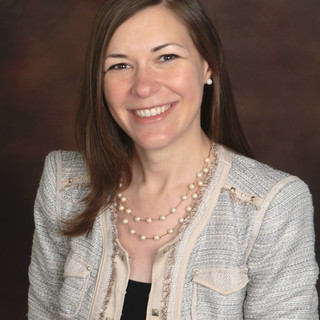

At the 2026 National Association of Free and Charitable Clinics (NAFC) Symposium, I made a beeline to this workshop by Suzie Foley, Executive Director of the Greenville Free Medical Clinic in Greenville, SC. The subject of this session captured my attention because Free and Charitable Clinics strive to provide comprehensive services, and dental programs have many aspects that can challenge the best leaders. Suzie Foley not only has led the Greenville Free Medical Clinic for 27 years, she is a founding member of the NAFC and a bit of a legend in the free clinic world. As she prepares for retirement in October 2026, this presentation was a unique opportunity to absorb her seasoned perspective on what can make or break a charitable dental clinic. While Suzie's expertise hardly fits the printed page, here are my Top 10 gems:
Secure and Sustain a “Dental Champion” Pipeline
Identify respected dentists who will recruit peers and advocate in dental societies.
Plan for succession: as champions retire, intentionally cultivate younger leaders and specialists to “carry the torch.”
Expect a Money Pit: Over‑Plan for Dental Costs
Budget well above initial estimates for equipment, repairs, plumbing, electrical work, radiation barriers, and replacements.
Remember: dentistry is intensely equipment‑dependent (light, suction, water, sterilization, X‑ray, power), so ongoing maintenance is a permanent line item, not a one‑time expense.
Design for Workflow (and Your Sanity)
If possible, locate administrative offices away from clinical noise and demands (Suzie had some colorful justifications).
In the clinic, design operatories and sterilization areas to minimize bottlenecks and accommodate both left‑ and right‑handed dentists (e.g., equipment that can switch sides).
Make Dental Fully Integrated, Not a Stepchild
Reinforce that “mouth is part of the body”: actively connect dental with medical, mental health, pharmacy, vision, CHWs.
Normalize daily cross‑talk: dentist ↔ PCP, pharmacist ↔ dentist, mental health ↔ CHWs, so patients experience one care team, not silos.
Build Strong Academic and Training Pipelines
Partner with dental schools, hygiene programs, and pre‑dental tracks for clinical rotations and internships.
Give students meaningful, well‑run experiences so they:
Get to “do real dentistry,” and
Later return as volunteers or staff, becoming your most reliable dentist pipeline.
Treat Volunteers Like VIPs (or Like a First Date You Want a Second With)
Make their time sacred: have X‑rays done, medical histories ready, treatment plans prepped before they walk in.
Ensure equipment works, supplies are stocked, and they are not standing around waiting. Their “pay” is respect, efficiency, coffee, and maybe Oreos.
Plan for Safety, OSHA Events, and Clear Protocols
Assume bloodborne exposures will happen—from needles, burs, cracked mirrors, etc.
Have written, rehearsed protocols; multiple staff who know exactly what to do; pre‑consent from patients for testing; and in‑house lab or rapid access to labs.
Use Language Access and Cultural Exposure as Core Infrastructure
Invest in robust interpreter solutions (e.g., video interpretation units) instead of relying on family interpreters.
Leverage foreign‑trained dentists and multilingual volunteers (within scope and state rules) to improve both communication and community connection.
Shape Patient Flow and Expectations Upfront
Train front desk and staff never to promise specific treatments (e.g., “a filling”) before the dentist evaluates.
Build scheduling templates that assume “it’s always more complicated than it looks” and allow extra time for difficult extractions, pathology, and urgent unexpected needs.
Tell the True Story: You’re in the Dignity Business, Not the Tooth Business
Frame care for funders and community as economic and dignity work:
A filling is a job interview someone can now smile through.
A child stops covering their mouth in photos.
Use integrated data (oral health + medical + mental health + vision) and vivid statistics (e.g., adults with fewer than three teeth) to demonstrate impact and secure sustainable funding.

Learn more about Greenville Free Medical Clinic.
Learn more about how I work with Free and Charitable Clinics to boost their capacity.
Learn more about the South Carolina Free Clinic Association.


Comments