
Gems from “Strong Boards Don’t Happen by Accident: Building Effective Board Orientation in Free Clinics”
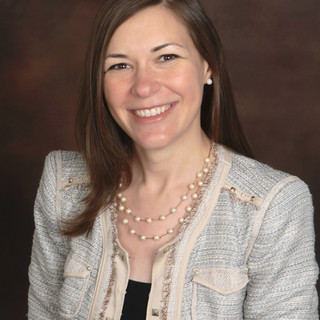

At the 2026 National Association of Free and Charitable Clinics (NAFC) Symposim, I moderated a panel discussion on board member orientation. Panelists were Suzanne Hoban, MPH, Executive Director, Family Health Partnership Clinic and Sara Nichols, MPH, Executive Director, Open Arms Free Clinic. Both are founding directors and have worked through transitions with their boards from inception to a clear governance role. Both shared that a strong board orientation is key to bringing on the right people with the right expertise.
Here are the top tips from this session:
Recruitment
Recruit Strategically Using a Board Matrix
Map current members’ skills, demographics, lived experience, and networks.
Identify gaps (e.g., HR, finance, legal, fundraising, community representation) and recruit specifically to fill those gaps.
Review and update the matrix annually as your clinic and community needs evolve.
Treat Recruitment as a Year-Long Cultivation Process
Use a Board Formation / Governance / Nominating Committee that works all year, not just before elections.
Steps can include:
Identify prospectives from board member circles of influence
Conduct an initial phone screen
Host a clinic visit and meeting with the Executive Director
Conduct an interview with governance/board formation committee
Aim for “mutual fit”—they are interviewing you as much as you are interviewing them.
“In recruiting new members and orienting them, they don’t have to know everything about what we do every day. They need to know how our clinic fits with the big picture of the safety net in the community: Who are the partners we should be talking to…If they concentrate on that big picture and then relay that down, it allows the Director and the staff to do what they need to do and come back with the results.” - Suzie Foley, Executive Director, The Greenville Free Medical Clinic
Set Clear Expectations Up Front (In Writing)
Provide a Board Expectations Letter/Agreement before they join, covering:
Meeting attendance and preparation
100% board giving expectation
Committee/service expectations
Advocacy and ambassador roles (elevator pitch, community presence)
Have them sign it, and use it later if you need to address performance or “rogue” behavior.
Onboarding
Invest in Robust Onboarding and Orientation
Don’t just seat them and hope they figure it out. Provide:
Bylaws, policies, calendars, committee structure
Program overviews and outcomes
Financials 101 (“Do we have enough to pay bills? Any unexplained expenses? Are we on budget?”)
Consider a half-day or retreat-style orientation or a structured multi-session approach (e.g., 3 lunch sessions) before their first meeting.
Assign a board buddy so new members have a safe person to ask “basic” questions.
Keep the Board in Its Lane: Governance vs. Operations
Reinforce that the board has one employee: the ED—and the ED runs operations.
Use tools like policy governance or a simple “ends vs. means” framework:
Board focuses on mission, strategy, big-picture outcomes, risk, and financial stewardship.
Staff focuses on how services are delivered.
Revisit roles and responsibilities regularly in governance committee presentations or retreats.
The Greenville Free Medical Clinic uses John Carver’s policy governance, in which the board focuses on the “ends” and the staff focuses on the “means.” This distinction is useful to avoid role confusion between board members and staff. It clarifies that the board is looking at the big picture and the staff works on how to implement.
Use Meetings for Strategy, Not Just Reporting
Move to consent agendas for routine reports (ED report, program updates, minutes, etc.).
Reserve meeting time for:
Strategic issues, dilemmas, and tradeoffs
Policy and funding shifts (e.g., ACA, Medicaid, subsidies) and how they affect your clinic
“What keeps the ED up at night?” items
Pair this with a strong board chair who co-builds the agenda and protects time and focus.
Build a Culture of Stewardship and Fund Development (Not Just “Asking for Money”)
Normalize simple, accessible development roles:
Writing handwritten thank-you notes to donors
Sharing their elevator pitch in everyday conversations
Opening doors to civic groups, employers, faith communities, and local foundations
Help them see fundraising as relationships and stewardship, not just “standing outside a grocery store with a kettle.”
Orientation
Conduct an Annual Board Evaluation
Use tools like Joan Garry’s 14 Attributes of a Highly Functioning Board or similar checklists as a self-assessment.
Periodically provide short governance education segments:
Roles & responsibilities
Financial literacy
Board diversity and inclusion
Advocacy vs. lobbying, and what’s allowable
Celebrate strengths and identify 1–2 focused improvements each year.
Engage the Board in Policy, Advocacy, and External Relationships (Apolitically)
Translate national/state policy shifts into local clinic impact (e.g., “We may need to pause new intakes for 3 months”).
Use talking points, sign-on letters, and action alerts from the NAFC and state free clinic associations to make low-barrier advocacy easy.
Invite elected officials and key partners to visit the clinic and include board members in these visits.
Keep the focus on impacts on patients and community, not partisan politics.
Plan for Board Evolution and Turnover
Recognize that founding boards (all hands, licking stamps, doing everything) must evolve into governing boards as the clinic matures.
Use term limits (e.g., 3-year terms, max 2 terms) and required time off the board to maintain health and renewal.
Treat board service as part of a leadership pipeline: officers and committee chairs are cultivated, not improvised.
Periodically ask, “Does the board we have match the clinic we are now—and the clinic we’re becoming?”

Learn more about Family Health Partnership Clinic.
Learn more about Open Arms Free Clinic.
Learn more about the Greenville Free Medical Clinic.
Learn more about how I work with Free and Charitable Clinics and their associations to increase access to healthcare and improve health outcomes.

Comments